
2026-08-20 · Mike Thornton
Spring Cleanup Tasks That Reduce Indoor Insect Pressure
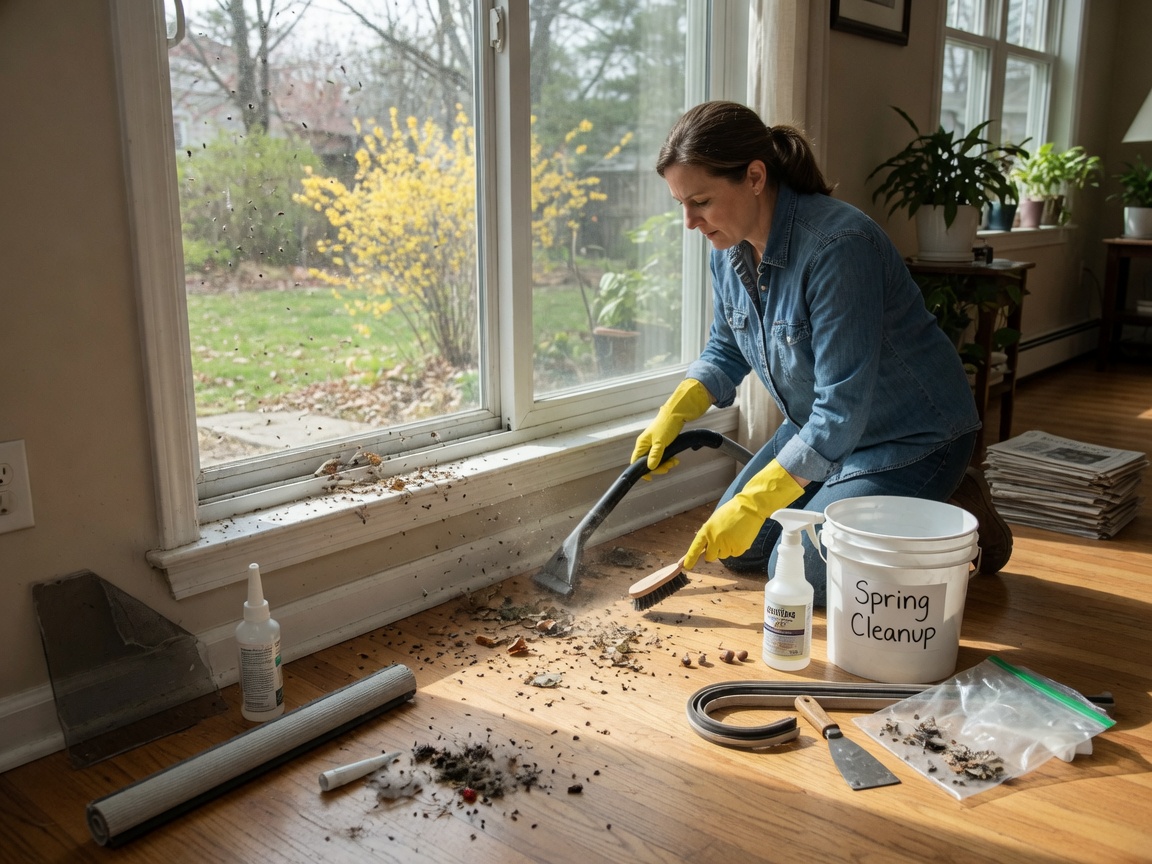
Spring cleanup around Ingalls properties lowers the number of ants, spiders and other insects that enter homes once hot summers and cold winters push them indoors. In Gray County, frequent thunderstorms leave standing water and debris that create entry routes and harborage near older farmhouses and outbuildings. Addressing these spots early keeps pressure off living spaces through the rest of the year.
Clearing Debris Near Foundations
Leaf litter, old lumber and stacked firewood left against concrete or stone foundations give ants and spiders direct cover next to Ingalls homes. Remove material at least three feet from the base and store firewood on racks with a twelve-inch gap underneath. In Gray County farmhouses built decades ago, uneven grading often directs water toward the sill plate; raking and regrading this zone stops moisture that draws silverfish and centipedes. Check crawl-space vents for blocked airflow after each thunderstorm, because trapped humidity encourages cockroaches to move upward. Haul debris to the Gray County transfer station rather than piling it near the house, where it becomes next season’s shelter. These steps alone change the path insects take when temperatures swing between winter lows and summer heat.
Handling Moisture from Thunderstorms
Frequent spring storms in Gray County drop heavy rain that pools against south-facing walls and under porches common on Ingalls acreage. Clean gutters and extend downspouts at least five feet from the foundation so water does not soak soil near the house. Replace cracked splash blocks with longer extensions on homes along Finney Avenue where clay soil holds moisture. Inside, check basement window wells for debris that traps water; install covers rated for local wind-driven rain. Dry any wet insulation or cardboard stored near the floor, because damp cellulose becomes food for silverfish and booklice. Consistent moisture removal after each storm prevents the indoor humidity spikes that pull insects through small gaps in older plaster walls.
Sealing Entry Points in Older Structures
Many Ingalls farmhouses have gaps around utility penetrations and attic vents that open wider after winter freeze-thaw cycles. Stuff steel wool into holes larger than a quarter inch around pipes and cables, then cover with caulk rated for exterior use. Install door sweeps on all exterior doors, paying special attention to the south side where prevailing winds push insects inward. For readers dealing with attic access, see Sealing Attics Against Bats in Older Ingalls Farmhouses for compatible methods that also block spiders. Check window screens for tears and replace mesh before mosquitoes and flies become active after the first warm thunderstorm. These targeted seals reduce the pathways that let pests reach kitchens and bedrooms once outdoor conditions turn harsh.
Ongoing Monitoring Around Ingalls Properties
Walk the perimeter monthly through spring and note any new ant trails or spider webs near the foundation, especially on properties between Ingalls and Cimarron. Keep grass trimmed to two inches within ten feet of the house so rodents and the insects that follow them lack cover. Store trash in sealed cans and move compost piles at least thirty feet from the structure. When indoor sightings continue despite these steps, schedule a visit to Residential Pest Control for inspection focused on Gray County conditions. Consistent spring habits combined with targeted follow-up keep insect pressure low through the hot months ahead.