
2026-08-20 · Mike Thornton
Recognizing Signs of Subterranean Termites in Southwest Kansas Soil
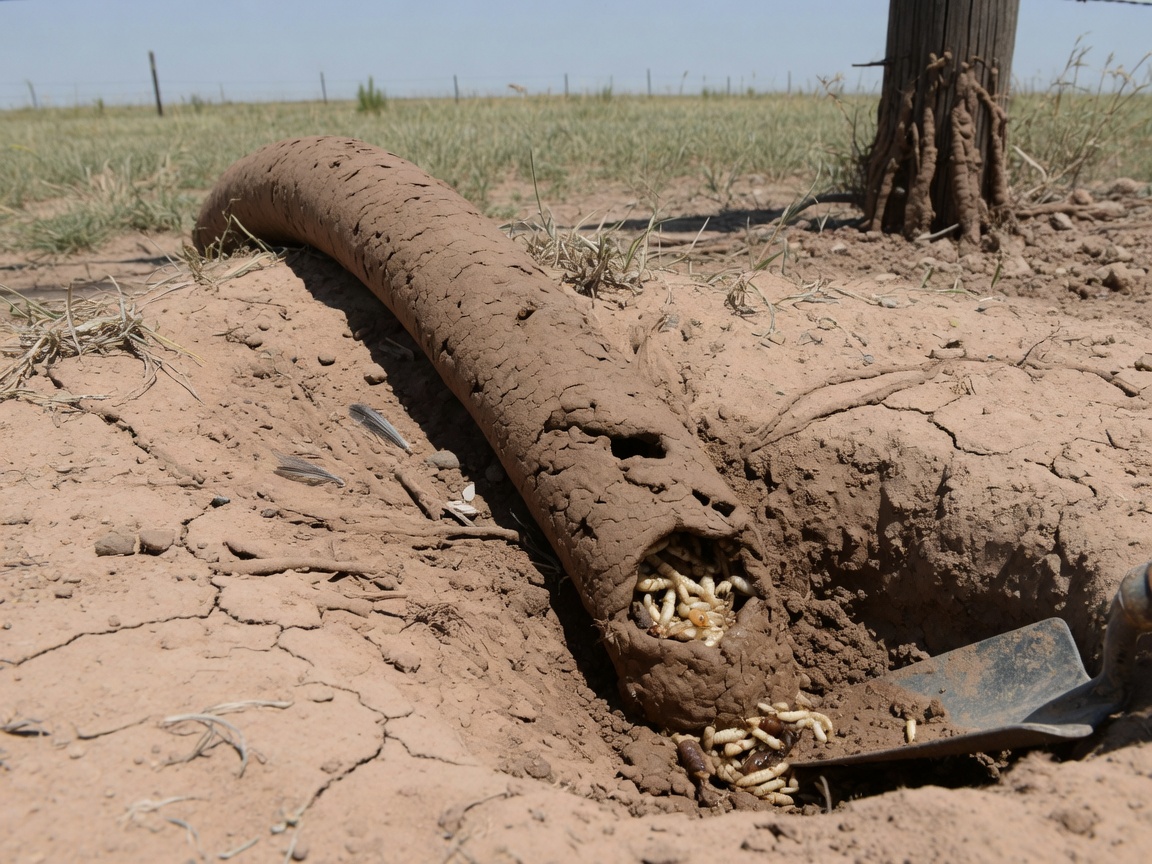
Subterranean termites in the clay-heavy soils of Gray County around Ingalls typically reveal themselves through mud tubes along foundation walls, hollow-sounding wood, and discarded wings near entry points. These signs appear most often on homes with crawl spaces or basements where moisture from frequent thunderstorms meets the ground line.
Mud Tubes and Soil Interaction
In Gray County the fine clay and silt mix common near Ingalls holds moisture longer after thunderstorms, giving subterranean termites the humidity they need to build protective mud tubes. These tubes run from soil level up concrete or wood siding and measure roughly 1/4 to 1/2 inch wide. Homeowners often find them on the north side of structures where shade keeps the soil damp longer. The same tubes appear along irrigation lines or where downspouts empty near the foundation. Checking after heavy rain helps because fresh tubes stand out against dry siding. Older homes built before widespread soil treatment show more tubes because the original backfill still contacts untreated wood. Residents in Ingalls and nearby Cimarron notice tubes reappear within days when the colony remains active underground.
Wood Damage Patterns in Local Housing
Southwest Kansas homes often sit on pier-and-beam or slab foundations with untreated sill plates that touch the soil line. Subterranean termites follow these contact points and hollow out floor joists from the inside, leaving a thin outer shell that sounds dull when tapped. In Ingalls neighborhoods the damage concentrates on east and west walls where summer heat drives termites deeper into shaded crawl spaces. Look for small piles of frass mixed with soil near baseboards or along carpet edges. The insects avoid light, so galleries stay hidden until flooring buckles or doors stick from shifting wood. Cold winter temperatures slow activity but do not kill colonies; they simply move deeper where soil stays above freezing. Checking under water heaters and around plumbing penetrations catches early hollowing before structural repairs become necessary.
Seasonal Activity Tied to Regional Weather
Hot summers push subterranean termites closer to the surface in Gray County because surface soil temperatures exceed 80 degrees, while cold winters drive them below the frost line. Swarming flights usually occur on warm afternoons after rain in April or May when alates emerge from soil tubes. Homeowners in Ingalls report seeing wings near porch lights during these brief periods. Thunderstorms that soak the ground create temporary moisture bridges that let colonies expand into new wood sources. During dry stretches the same colonies retreat deeper, making surface signs harder to spot until the next wet cycle. This pattern repeats across acreage south of Ingalls where prairie soils retain pockets of moisture around tree roots and old fence posts.
A professional termite inspection identifies active colonies before damage spreads to load-bearing members. Readers dealing with similar issues on nearby properties may also find value in Protecting Garden Beds From Grasshoppers Near Ingalls for related soil and moisture management tips. Properties in Cimarron, KS face the same soil and weather conditions that influence termite behavior.